Table of Contents
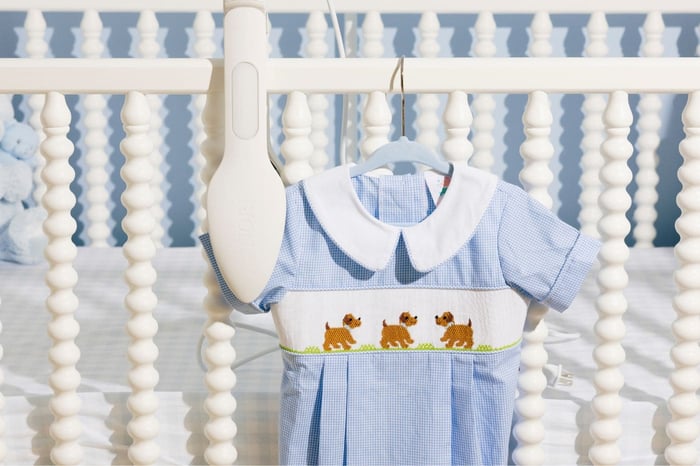 Clothes last longer or shorter based on four decisions repeated every laundry cycle: how you wash, how you dry, how you press, and how you store.
Get those four right and the same garment lasts years longer than an identical piece cared for carelessly. None of it requires special products, just different habits at each stage.
Where Clothes Actually Wear Out
Stage | Common Mistake | Better Habit |
Washing | Hot water and full detergent dose every time | Cold water for most loads, less detergent than the cap suggests |
Drying | High heat until bone dry | Low heat, remove while slightly damp, air dry when possible |
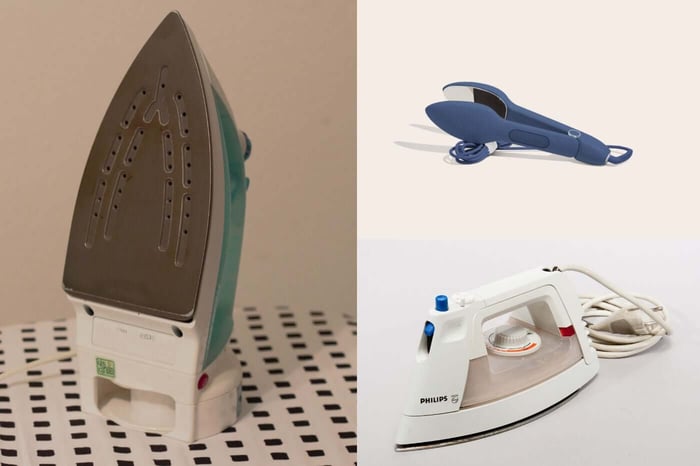
Steaming or pressing | Direct high heat on delicate fabrics | Match the setting to the fabric, steam instead of iron for delicates |
Storage | Wire hangers, overcrowded closets, mothballs | Padded or wooden hangers, breathing room, cedar instead of mothballs |
Washing: Less Heat, Less Detergent, Less Often
Cold water, 30°C or below, preserves color and prevents shrinkage while still cleaning most everyday loads effectively, since modern detergents are formulated to work in cold water. Reserve hot water for genuinely soiled items or anything that needs sanitizing.
Measure detergent to the line for your load size instead of free-pouring. Extra detergent leaves residue that stiffens fabric over repeated washes.
Not everything needs washing after one wear either. Jeans, sweaters, and outerwear typically hold up better with less frequent washing, reserved for visible soil rather than a fixed schedule.
Drying: The Stage That Does the Most Damage
Tumble drying puts mechanical and thermal stress on fabric, which damages textiles and sheds fibers, according to a 2024 study in the Journal of Natural Fibers. Heat and tumbling also shrink fabric and wear down elasticity over time.
Cotton holds up fine in a dryer but lasts longer with line drying. Synthetics do better on low heat to avoid static and heat damage. Wool and cashmere should dry flat on a towel, never hung, to hold their shape. Delicates air dry away from direct sunlight to avoid fading.
Steaming and Pressing: Match the Tool to the Fabric
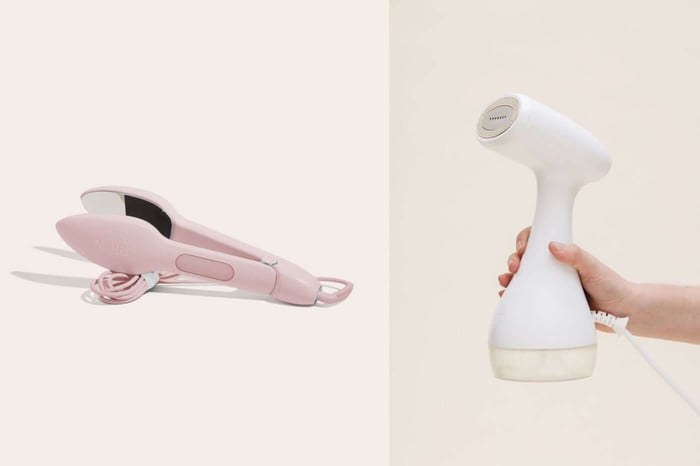
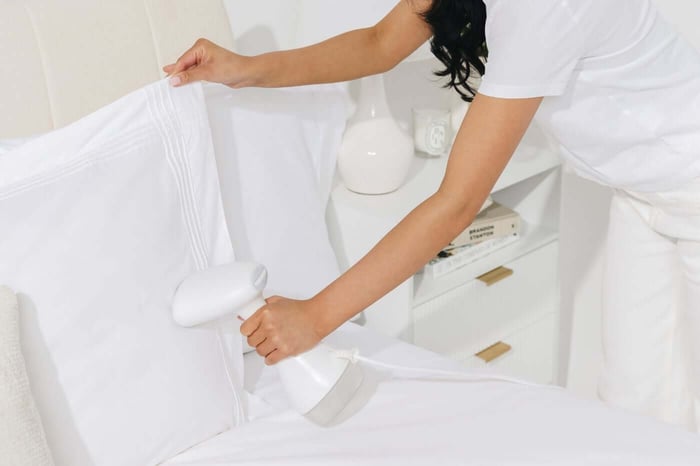
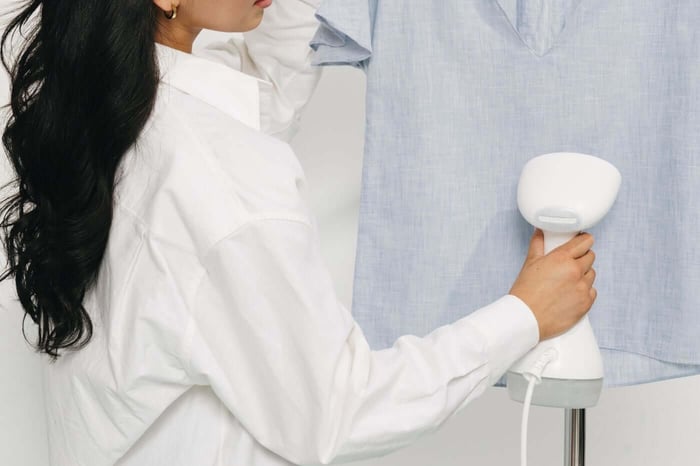
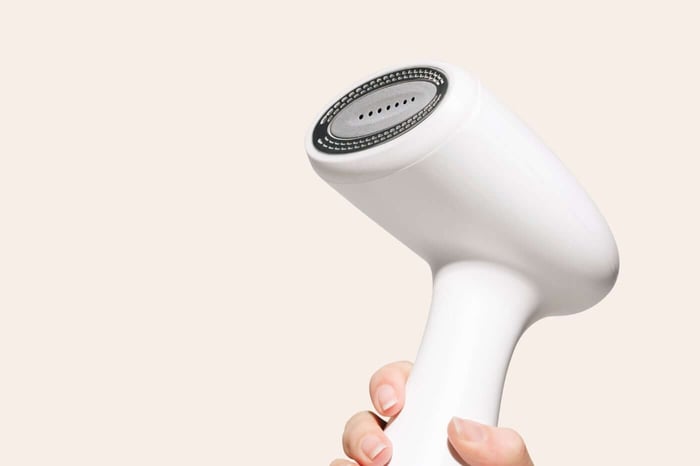
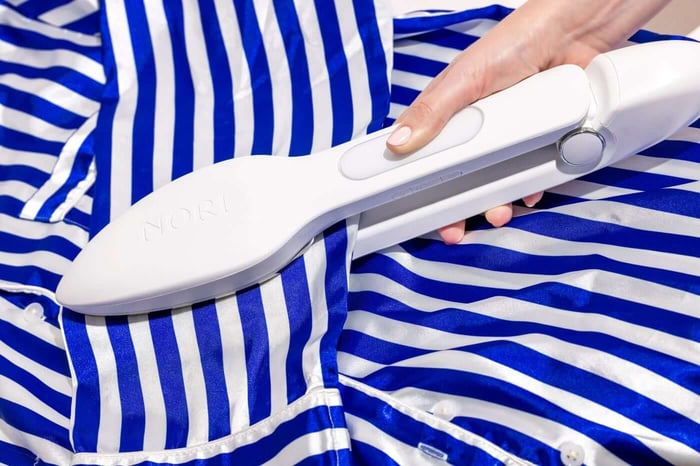
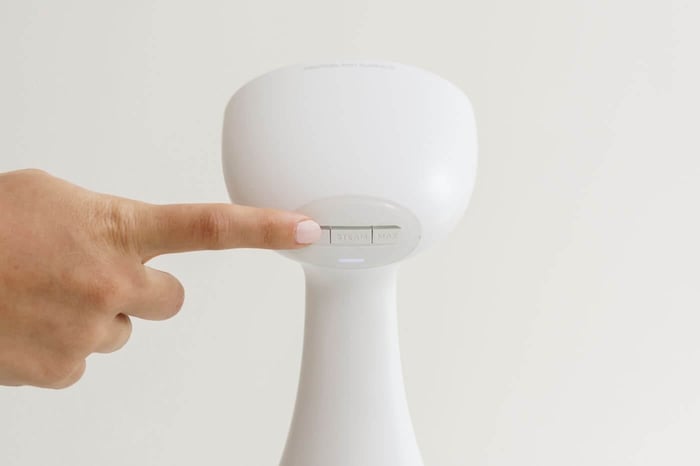
This is where technique choice matters most for delicate and structured fabrics alike. Our fabric-by-fabric steaming safety guide and dedicated delicates guide cover exactly which fabrics need steam instead of direct heat, and our how-to-use guide for the Nori Cloud covers technique step by step.
The Nori Cloud

$89.99
The next generation of clothing steamers with no leaks, no spits, just better steam.… read more
Storage: Give Fabric Room to Breathe
Structured jackets, blouses, dresses, and trousers hold their shape better hung. Knitwear, t-shirts, and anything with stretch should be folded, since hanging stretches knits out of shape over time. Wire hangers cause shoulder bumps and rust stains; padded or wooden hangers protect the garment’s shape instead.
Leave at least a finger-width of space between hanging items to prevent crushing and creasing, and skip mothballs in favor of cedar or lavender sachets for seasonal storage.
FAQs
Does washing in cold water actually clean clothes as well as hot water?
Yes, for most everyday loads. Modern detergents are formulated to work effectively in cold water, and reserving hot water for genuinely soiled items or sanitizing needs protects fabric and color better over time.
Is air drying really better than a dryer?
Yes, for most fabrics. Heat and tumbling in a dryer break down fibers and reduce elasticity faster than air drying does, though a low-heat cycle with early removal is a reasonable middle ground when air drying isn’t practical.
Do wire hangers actually damage clothes?
Yes. Wire hangers cause shoulder bumps in structured garments and can leave rust stains over time. Padded or wooden hangers support the garment’s shape properly.