Table of Contents
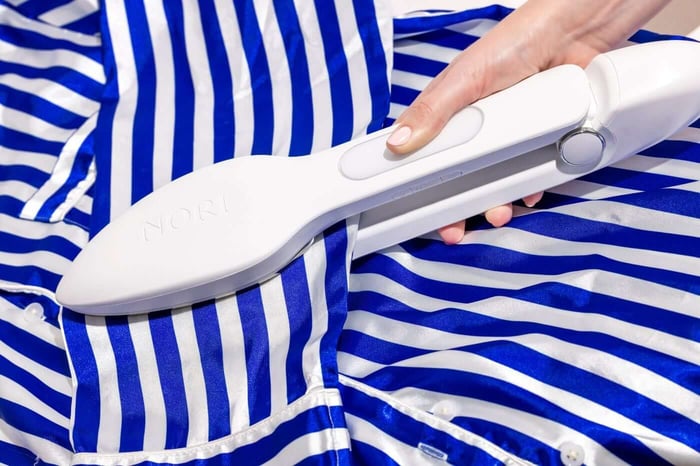 Steam is safe for most fabrics you own, but not all of them. Cotton, linen, silk, wool, polyester, and rayon all tolerate steam well with the right technique. Leather, suede, waxed jackets, and vinyl don’t, and steaming them can cause permanent damage. The table below breaks down exactly where each fabric falls.
Fabric-by-Fabric Steaming Guide
Fabric | Steam Safety | Technique |
Cotton | Safe | Steam setting, single pass |
Linen | Safe | Max setting, steam first then two to three passes for stubborn creases |
Silk | Safe with care | Steam setting, hold 2–3 inches away, keep the head moving |
Wool | Safe with care | Steam setting, hold slightly away, hang to cool and set |
Polyester and synthetic blends | Safe | Steam setting, keep moving to avoid a shiny “glassed” patch |
Rayon and viscose | Safe with caution | Steam setting, avoid pulling the fabric while damp since wet fibers weaken |
Acetate | Caution | Very light steam from a distance; stop if the surface ripples or shines |
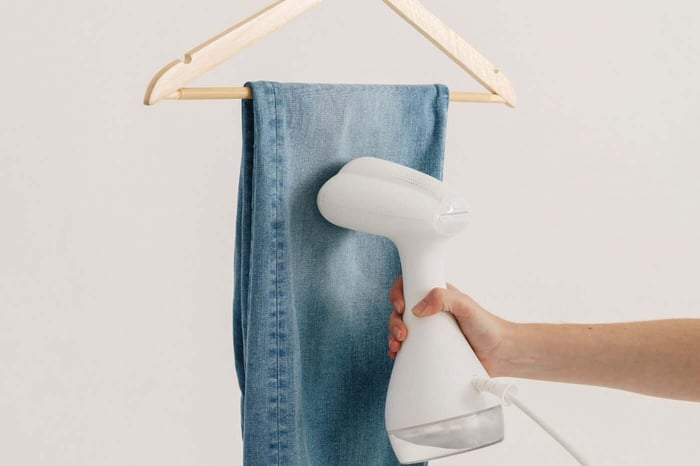
Denim | Safe | Max setting, multi-pass technique on thicker seams |
Knits | Safe | Steam without pressing into the fabric, hang to set |
Sequins and beading | Caution | Steam from the reverse side where possible, keep distance from trims |
Leather and suede | Avoid | Heat and moisture cause warping, staining, and permanent texture damage |
Waxed jackets | Avoid | Steam can melt or strip the protective wax coating |
Vinyl and faux fur | Avoid | Heat can melt vinyl or flatten and damage faux fur texture |
Why Steam Works on Some Fabrics and Not Others
Steam relaxes fabric fibers without direct plate contact, which is why silk, wool, and other delicate fabrics generally tolerate a garment steamer better than a hot iron soleplate. The fabrics that fail aren’t fabrics in the woven or knit sense at all. Leather, suede, vinyl, and waxed coatings are surface-treated or non-woven materials, and heat plus moisture breaks down the coating or finish rather than just relaxing fibers.
Blended fabrics follow the more delicate fiber’s rule. A wool-silk blend gets treated like silk. A cotton-poly blend gets treated like polyester. When in doubt, default to the gentler setting and test an inside seam first.
General Safety Rules Before You Steam Anything
Check the garment’s care label first. “Do not steam” and “dry clean only” labels exist for a reason, especially on structured pieces with adhesive linings.
Test an inconspicuous area, like an inside hem, before steaming the whole piece.
Keep the steam head moving. Parking it in one spot, even on a safe fabric, risks water spotting or scorching.
Use distilled water or Nori Fabric Facial to avoid mineral deposits landing on fabric as spots.
Our full guide on steamer spitting covers this in depth.
How This Maps to Nori Cloud and Nori Press Settings
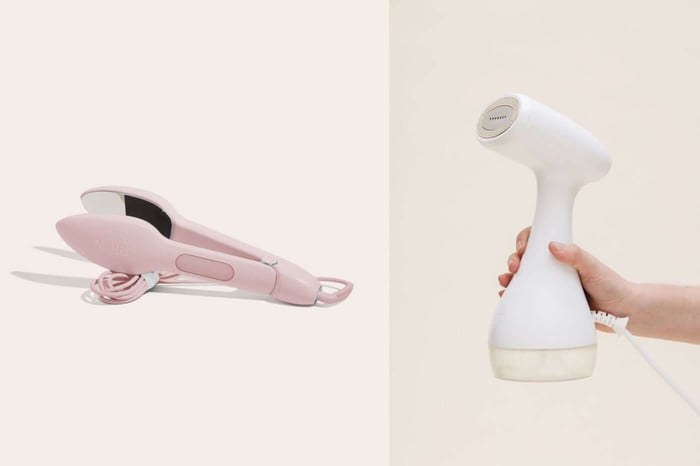
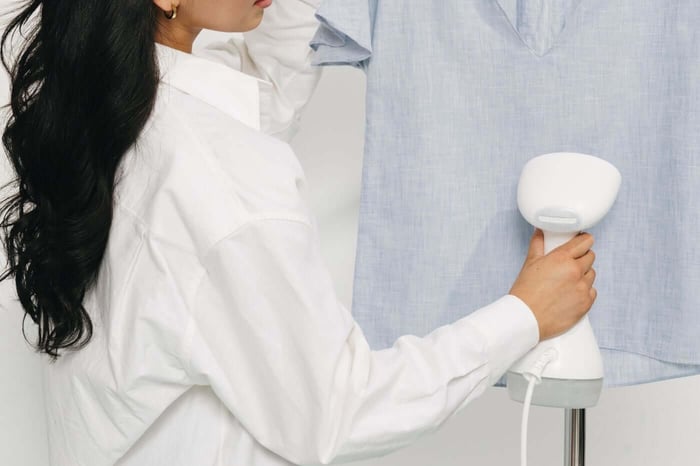
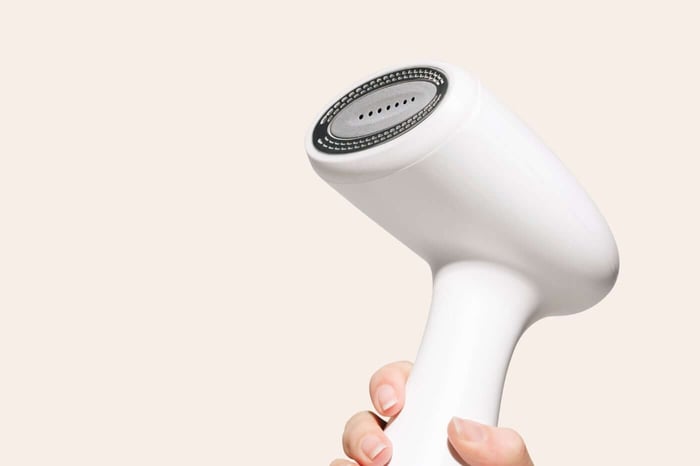
The Nori Cloud runs on two settings. Steam handles the “safe” and “safe with care” rows in the table above, cotton through wool and synthetics. Max is built for linen and denim, the fabrics that need more heat to release stubborn creases.
The Nori Cloud

$89.99
The next generation of clothing steamers with no leaks, no spits, just better steam.… read more
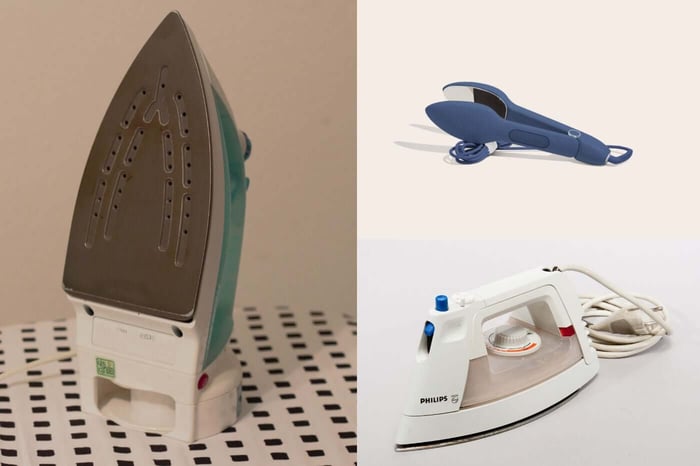
The Nori Press offers six fabric-specific heat settings for more granular control when pressing rather than steaming.

Our Nori Cloud vs. Nori Press comparison breaks down when each tool is the better fit.
FAQs
Can you steam silk?
Yes, and it’s often safer than ironing it. Use the Steam setting (not Max), hold the steam head a couple of inches away, and keep it moving rather than holding it in one spot.
Can you steam wool?
Yes. Hold the steam head slightly away from the fabric and let the garment hang to cool afterward so the fibers set without stretching.
Can you steam leather or suede?
No. Heat and moisture warp, stain, and permanently damage leather and suede. Use a leather conditioner instead.
Is it safe to steam sequins or beaded garments?
Mostly, with caution. Steam from the reverse side where you can, and keep the head at a distance so the heat doesn’t loosen glued embellishments.