Table of Contents
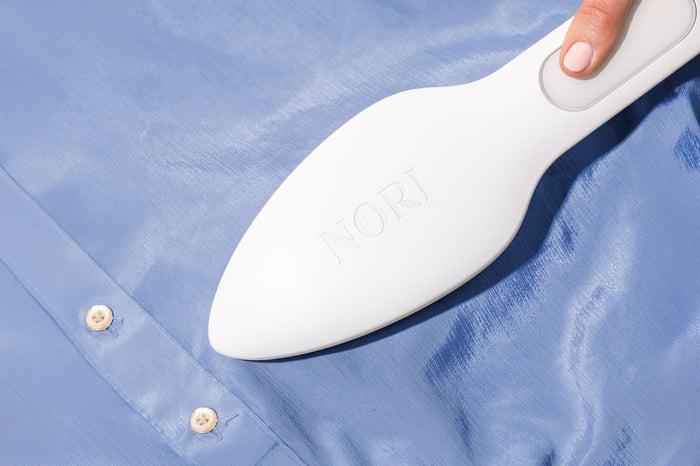 You can steam silk, wool, cashmere, and most other delicate fabrics safely, and steaming is often gentler on them than ironing. The risk with delicates isn’t steam itself. It’s distance, setting, and dwell time. Get those three right and delicate fabrics come out smoother with no shine marks, no water spots, and no stretched fibers.
Distance, Setting, and Technique by Fabric
Delicate Fabric | Distance | Setting | Technique Note |
Silk (charmeuse, crepe) | 2–3 inches | Steam or Standard | Single light pass, never park in one spot |
Wool and cashmere | 1–2 inches | Steam or Standard | Hold slightly away; let the garment hang to cool and set |
Chiffon and georgette | 3 inches | Steam | Very light steam; let fabric weight do the smoothing |
Lace | 3 inches | Steam | Steam from behind the lace where possible |
Velvet | 4–6 inches | Steam | Never touch the pile directly; steam from a distance only |
Rayon and viscose | 2–3 inches | Steam | Don’t pull the fabric while damp; fibers weaken when wet |
Acetate | 3 inches | Steam | Stop immediately if the surface ripples or develops shine |
Why Steam Is Often Safer Than an Iron for These Fabrics
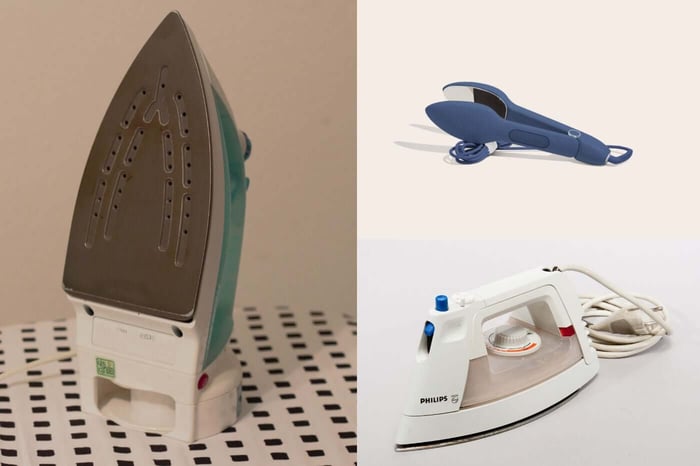
A steamer never touches the fabric with a hot plate, which is exactly why delicates tolerate it better than direct ironing. Our iron vs. steamer vs. steam iron breakdown covers the mechanical difference in full, but the short version for delicates: pressure plus heat is what scorches silk and flattens velvet pile, and a steamer applies heat without the pressure.
But “safer” doesn’t mean risk-free. Too much steam held too close still leaves water spots on silk or flattens velvet just as fast as an iron would.
Step-by-Step for Delicate Fabrics
Check the care label first. Some delicates, especially structured or beaded pieces, carry a “do not steam” instruction for a reason.
Use distilled water or Fabric Facial. Mineral spots show up more visibly on delicate, often lighter-colored fabrics than on cotton or denim.
Test an inside seam. A few seconds of steam on a hidden seam tells you how the fabric reacts before you commit to the whole garment.
Keep the head moving at all times. Delicates are the one category where parking the steam head, even briefly, causes visible damage.
Let the garment hang to cool before you touch, fold, or wear it. Fibers set into their relaxed shape as they cool.
Fabric Facial

$15.00
Odor-eliminating ironing water and wrinkle-release spray designed to improve your ironing experience. … read more
What Not to Do With Delicates
Don’t hold the steam head closer than the distances above, even to “save time.”
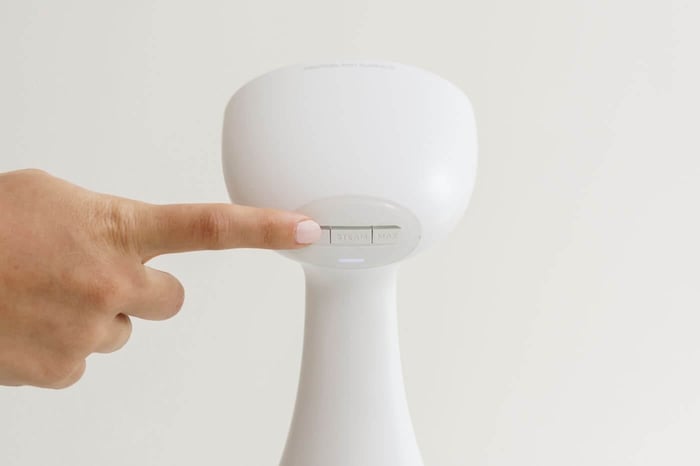
Don’t use the Max setting on silk, chiffon, lace, or acetate. That setting exists for linen and denim, not delicates.
Don’t press or rub the fabric with your free hand while steaming. Let steam do the work, not pressure.
Don’t skip the care label test on beaded, sequined, or heavily embellished pieces. Our fabric-by-fabric safety guide covers embellishments and other fabrics beyond this delicates-focused list.
Which Nori Device to Use
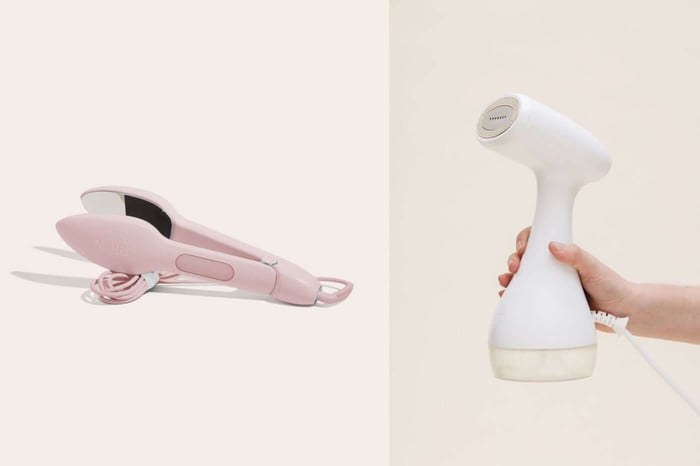
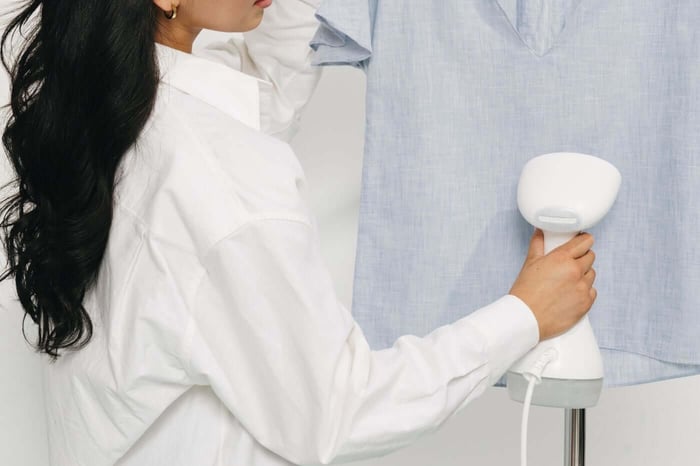
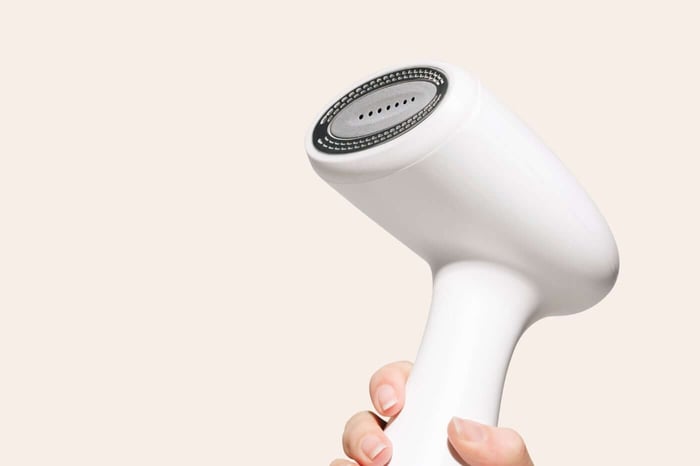
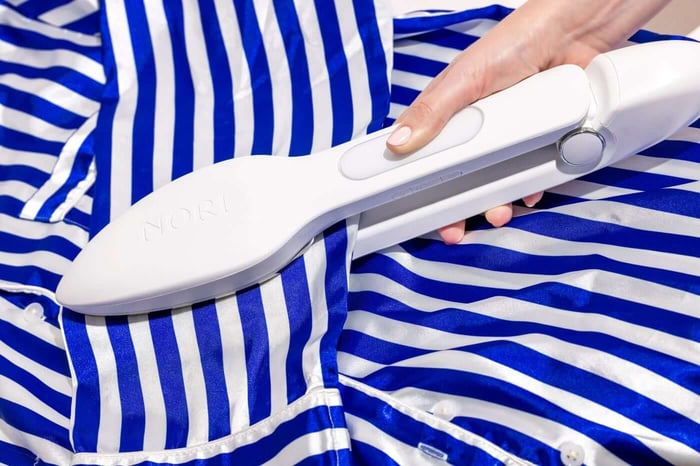
The Nori Cloud covers all the delicates in the table above on its Steam setting. The Nori Press also works on silk and fine knits if you want a pressed finish instead of a relaxed, steamed one. Nori recommends the Press’s steam setting for delicate fabrics like silk.
The Nori Cloud

$89.99
The next generation of clothing steamers with no leaks, no spits, just better steam.… read more

FAQs
Can you steam silk without damaging it?
Yes, as long as you keep the steam head 2 to 3 inches away and keep it moving. Holding it closer or in one spot is what causes water spots or shine, not the steam itself.
Is steaming safer than ironing for wool?
Yes. Steaming relaxes wool fibers without direct plate contact, which is why wool coats and sweaters generally do better with a steamer than an iron.
Can you steam beaded or sequined garments?
With caution. Steam from the reverse side where possible and keep extra distance, since heat can loosen glue-set embellishments.