Table of Contents
How do I safely iron or steam delicate fabrics like silk and wool?
To safely treat delicate fabrics, always use the lowest effective heat setting and check the garment's care label.
Delicate fabrics like silk, wool, and cashmere are investments in your wardrobe. Proper care is not just about preventing a single instance of damage; it's a sustainable practice that extends the life of your clothing, reduces textile waste, and saves you money on dry cleaning and replacements.7 With the right tools and techniques, you can confidently care for these luxurious materials at home.
The Golden Rule: Read the Care Label
Before you begin, always consult the garment's care tag. These symbols are a universal language governed by GINETEX, the international authority on textile care, and they are your most reliable guide. The iron symbol will indicate the maximum safe heat setting, usually with one to three dots.
Expert Care for Silk
Silk is a natural protein fiber that is strong yet sensitive to high heat. Incorrect care can lead to scorching or water stains.
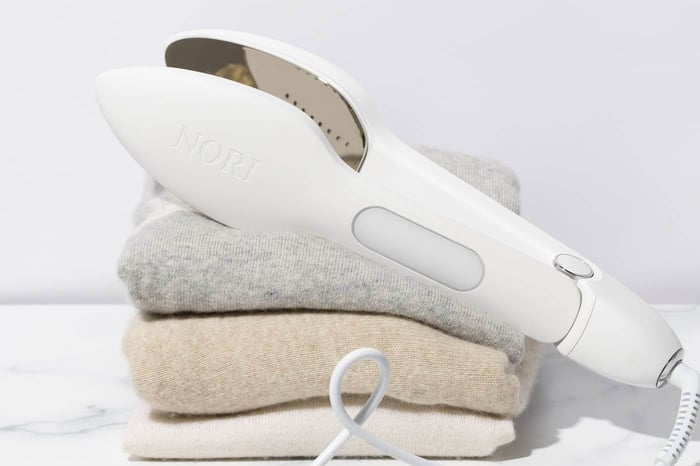
Temperature: Always use a low heat setting. The international standard for silk corresponds to an iron with two dots, indicating a maximum temperature of 150°C (300°F). The Nori Press has a dedicated "Silk" setting that automatically calibrates to this safe temperature.
Steam: A gentle, diffuse steam is excellent for releasing wrinkles in silk. However, traditional irons can sometimes spit large water droplets, which may leave marks. When using the
Nori Press, the steam function is recommended for delicate fabrics.
Expert Care for Wool and Cashmere
Wool and cashmere are also protein fibers, prized for their softness and insulating properties. The goal is to remove wrinkles without crushing the fabric's natural, lofty texture.
Temperature: Wool should be treated with medium heat, also corresponding to the two-dot symbol (max 150°C / 300°F). The
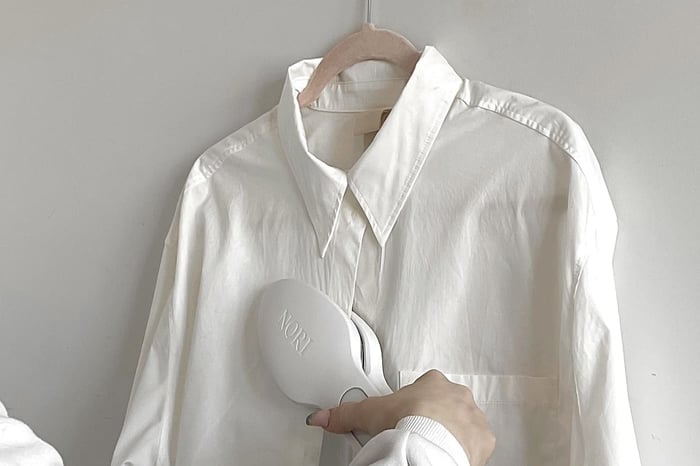
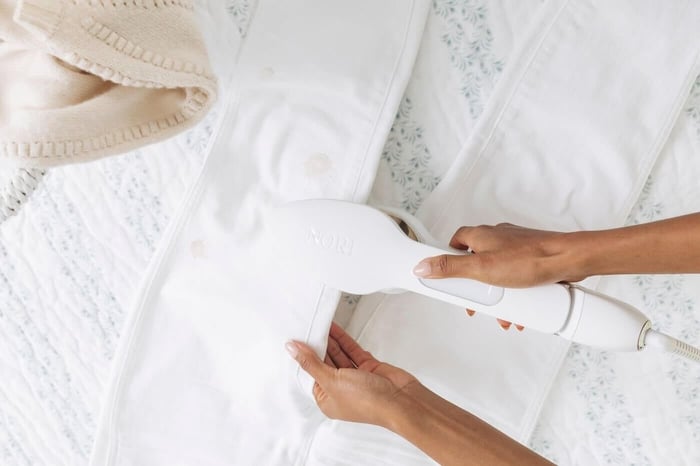
Nori Press features a pre-set "Wool" setting for this purpose.Technique: Steaming is the ideal method for wool. It allows hot moisture to penetrate and relax the fibers, removing wrinkles while fluffing the yarn. When steaming, you can touch the steamer head directly to the fabric, moving from the top of the garment downwards. For best results, turn the garment inside-out to steam from the interior first. This protects the outer surface and allows the steam to work effectively.
General Tips for All Delicate Fabrics
Test First: Always test your iron or steamer on a small, hidden part of the garment before proceeding.13
Wash Gently: Hand washing in cool water with a mild, pH-neutral detergent is the safest cleaning method for most delicates.
Don't Wring: Never twist or wring out delicate fabrics. Instead, gently squeeze out excess water or roll the garment in a clean, thick towel to absorb moisture.
Dry Naturally: Air dry delicates by laying them flat on a towel or using padded hangers, away from direct sunlight or heat.
Empower your wardrobe with tools designed for every fabric. Shop the versatile Nori Press and explore our complete garment care collection. For more information, visit the Nori homepage.

FAQs
Can I use steam on silk?
Yes, but with caution. A gentle, diffuse steam from a steamer is generally safe and effective. However, traditional irons can sometimes spit water droplets that may stain silk. Always test on a hidden area first.
Should I iron wool?
Steaming is generally better for wool as it preserves the natural texture of the fibers. If you must iron, use a medium heat setting, iron inside-out, and consider using a pressing cloth to prevent shine.