Table of Contents
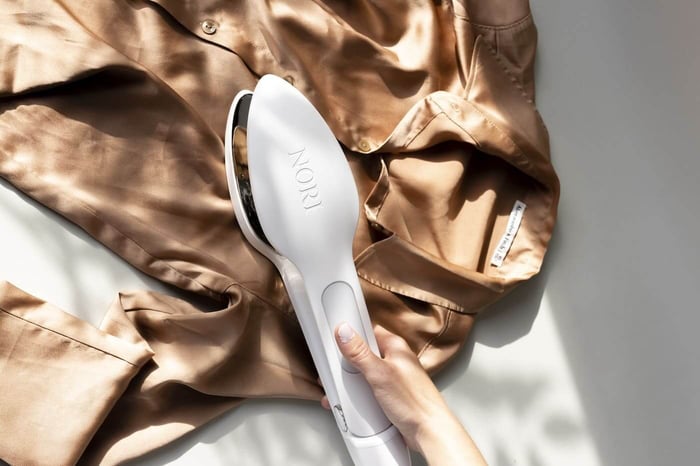
Selecting the correct travel iron requires matching the device's thermal capabilities and plate material to the specific fibers in your wardrobe.
A mismatch can be disastrous: an iron that is perfect for heavy cottons (like the Rowenta DA1560) may be too hot and aggressive for delicate synthetics, while a gentle steamer (like the Steamery Cirrus) will fail completely on structural linen.
To choose wisely, one must understand the thermal hierarchy of fabrics—from sensitive synthetics that melt at low temperatures to robust cellulosics that demand high heat and pressure.
The Thermal Hierarchy of Fabrics
Fabrics have distinct physical properties that dictate how they must be treated. The most critical metric is the safe ironing temperature, which is often just below the fiber's melting or scorching point.
1. The Sensitive Group: Synthetics (Nylon, Polyester, Acrylic)
Characteristics: These are essentially plastics. They are hydrophobic (repel water) and have low melting points.
Risk: Melting. If an iron exceeds ~300°F, polyester can melt, fusing to the iron's soleplate and ruining the garment forever.
Best Tool: Nori Press (Poly Setting) or Steamer.
Why: You need precise low-temperature control. A steamer is safest as it creates no contact. If pressing, the Nori’s "Poly" setting ensures the plates stay below the melting threshold. Avoid cheap travel irons with no temperature dial.
2. The Delicate Proteins: Silk and Wool
Characteristics: Natural animal fibers. Silk allows for brilliant dyes; wool has scales that can interlock.
Risk: Shining and Scorching. High heat breaks the peptide bonds, causing yellowing (scorching). Pressure on dry wool creates "shine" (flattening the scales).
Best Tool: Steamery Cirrus 3 or Nori Press (Silk/Wool Setting).
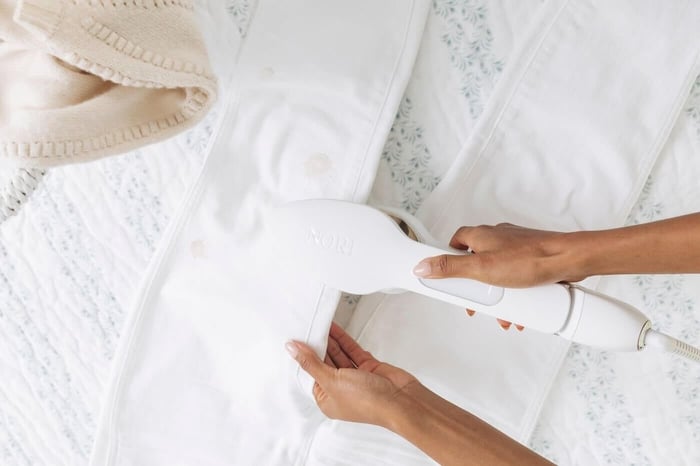
Why: Silk requires moisture to relax but cannot tolerate water spotting. A high-quality steamer or the Nori (used with steam but light pressure) is ideal. The Nori's non-stick aluminum plates prevent snagging.
3. The Structural Cellulosics: Cotton and Linen
Characteristics: Plant-based fibers with strong hydrogen bonds. Highly absorbent and heat-tolerant.
Risk: Ineffective Ironing. These fibers have a high Glass Transition Temperature. They require high heat (400°F+) and significant moisture to de-wrinkle.
Best Tool: Rowenta DA1560 or Nori Press (Linen Setting).
Why: A steamer is often too weak for linen. You need the "crushing" force of the Nori’s clamps or the weight of the Rowenta on a hard surface to flatten the fibers effectively.

Decision Guide: Matching Iron to Wardrobe
Use this decision matrix to select your device based on what you pack.
Primary Wardrobe | Recommended Device | Key Feature Needed | Why? |
Business Suits (Wool/Cotton) | Nori Press | Clamping & Wool Setting | Presses collars crisp; safe on wool trousers. |
Summer Linens & Beachwear | Rowenta DA1560 | High Heat & Soleplate | Max heat needed for linen; Nori is a close second. |
Athleisure (Synthetics) | Conair Turbo Steamer | No-Contact Steam | Zero risk of melting lycra/spandex. |
Formalwear (Silk/Chiffon) | Steamery Cirrus 3 | Gentle Steam | Prevents water spots and crushing delicate weaves. |
Mixed / General Travel | Nori Press | Versatility (6 Settings) | One tool covers the entire spectrum from poly to linen. |
The Role of Plate Material
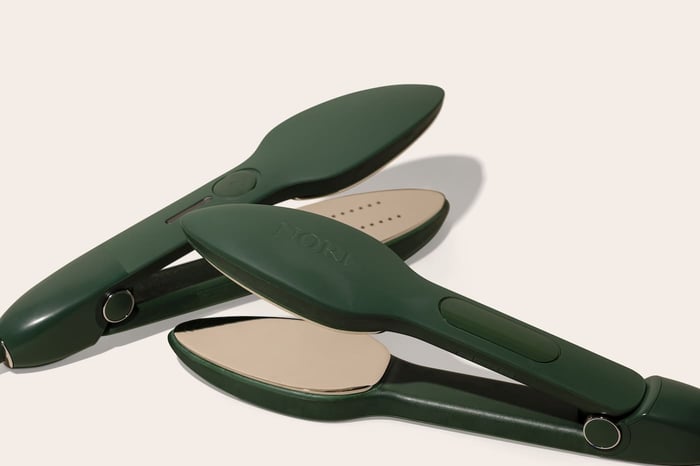
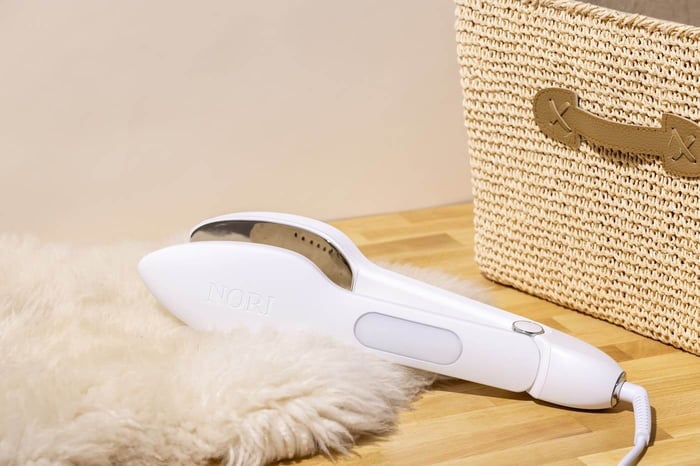
Aluminum (Nori Press): Heats and cools rapidly. This is excellent for travelers who need to pack up quickly. It is generally coated to be non-stick, protecting synthetics.
Stainless Steel (Rowenta): The professional standard. It glides effortlessly over cotton and retains heat efficiently, making it energy effective. However, it stays hot for a long time after unplugging, which can be a hazard in a hotel room if you are rushing to checkout.
Ceramic: Often found on steamers like the Steamery. Provides a very gentle glide and even heat distribution, minimizing hot spots that could burn silk.
Sustainable Garment Care Trends
Choosing the right iron is also about sustainability.
Wash Less, Steam More: In 2026, the trend is to extend the life of garments by washing them less frequently. Washing agitates fibers and fades colors. Steaming (or using the Nori's steam function) kills odor-causing bacteria (at temps >167°F) and refreshes the fabric without the wear-and-tear of a washing machine.
Microplastics: Synthetic fabrics shed microplastics in the wash. By spot-cleaning and steaming instead of washing, travelers reduce their environmental impact.
FAQs
How do I test a new travel iron?
Always test on an internal seam or the hem of the garment first. If the iron is too hot, the damage will be hidden.
Can I iron velvet?
Never press velvet directly. It crushes the pile (the fuzzy surface). You must steam it from the back or hover a steamer over the front. The Nori Press should not be clamped on velvet; use it in open steam mode only.
What is the "shine" on my black trousers?
That is thermal damage. The heat and pressure have flattened the wool fibers, making them reflective. To fix/prevent this, use a pressing cloth (or a cotton handkerchief) between the iron and the pants, or use the Nori Press on the specific "Wool" setting which moderates the heat.