Table of Contents
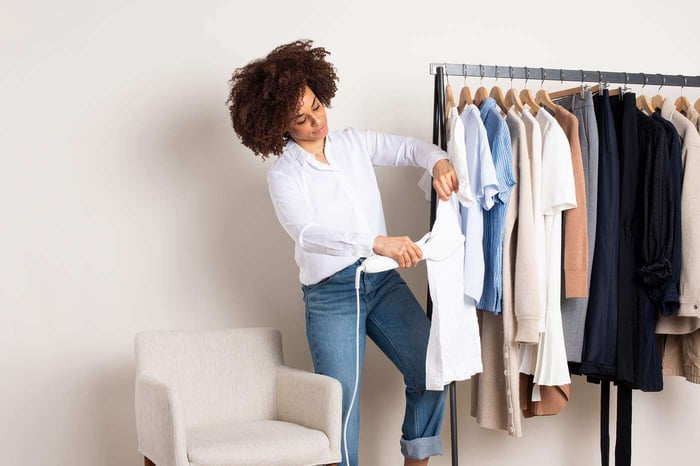 Slow fashion used to mean buying less. In 2026, that conversation has shifted. Fewer people are arguing about shopping habits. More are asking about what happens after the purchase. How do you wash something? How do you dry it? How often? Do you run it through a full cycle because it needs it, or just because it's been a week?
That's where most clothing damage actually happens. And it's where slow fashion either pays off or falls apart.
The Problem Starts in the Laundry Room
Your washing machine is not gentle with fabric. It spins, agitates, and stretches fibers under mechanical stress with every cycle. Add detergent chemistry and heat from the dryer, and you've got a system designed to clean, but also to gradually break down what it cleans.
The result is real and visible: faded colors, stretched knits, pilling, and shrinking. Clothes that looked sharp when you bought them go limp after a year. That's not just normal wear. A lot of it is unnecessary wash cycles.
Most people wash clothes more than they need to. Jeans worn once. A blazer worn to dinner. A linen shirt that got slightly wrinkled but wasn't dirty. All of them end up in the machine anyway, because that feels like the thorough thing to do.
It's not. Synthetic fabrics also shed microplastic fibers into water systems with every wash. Half a million tons of synthetic microfibers reach the ocean each year through laundry runoff. The clothes in your closet contribute to that every time they go through an unnecessary spin cycle.
Slow fashion that ignores this is only doing half the work.
What "Making Clothes Last" Actually Requires
The most durable closets belong to people with a specific habit: they only wash clothes when they genuinely need washing. Everything else gets spot-treated, aired out, or refreshed another way.
This sounds minor. The impact isn't. A garment washed 30 times instead of 90 over its life stays in better shape longer. Colors hold. Shape holds. Fabric integrity holds. You're not replacing it at year two because it looks tired.
Three habits make the biggest difference:
- Wash less, but wash intentionally. Separate "worn for a few hours" from "actually dirty." A sweater worn over a clean shirt doesn't need to be put in the machine. A workout top does. Treating them the same way wastes water, detergent, and wear.
- Use steam and pressing for between-wash refreshes. Steam relaxes fibers, kills odor-causing bacteria, and drops wrinkles. It's what dry cleaners use on your suits before handing them back to you. You can replicate most of that at home without a full wash cycle.
- Target dryer time. The dryer is harder on clothes than the washer. High heat damages elastic, shrinks natural fibers, and accelerates pilling on knits. Hang-drying and then pressing with heat gives you a crisper result with less fabric damage.
Where the Nori Press Fits In
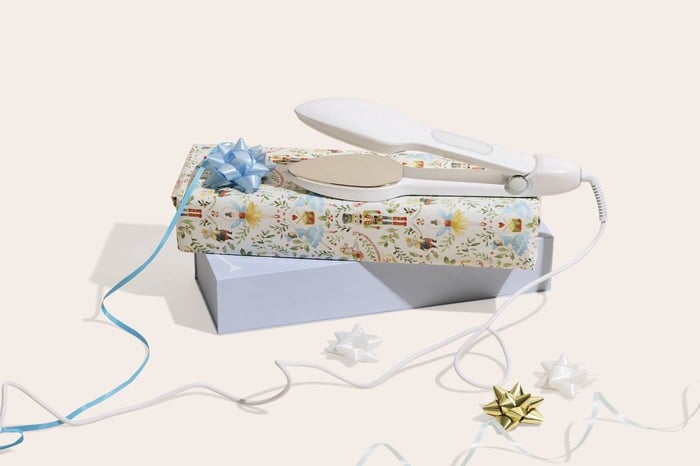
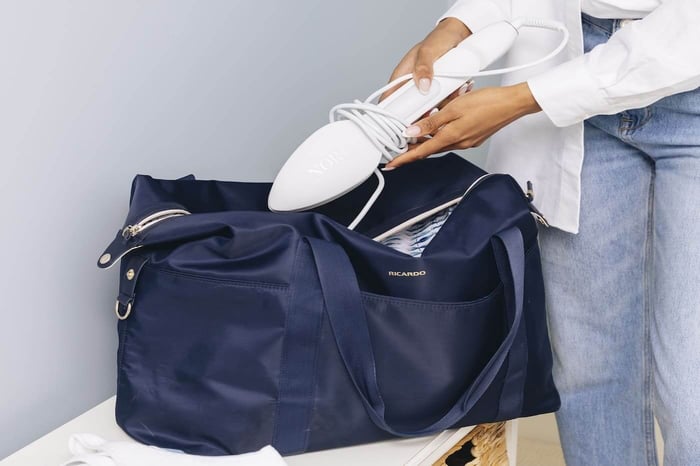
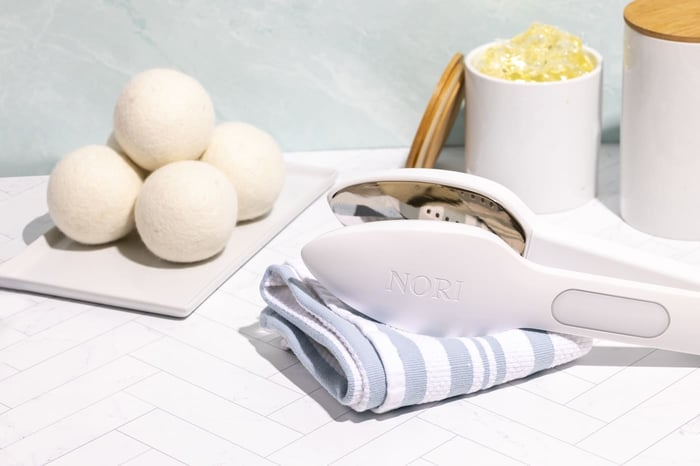
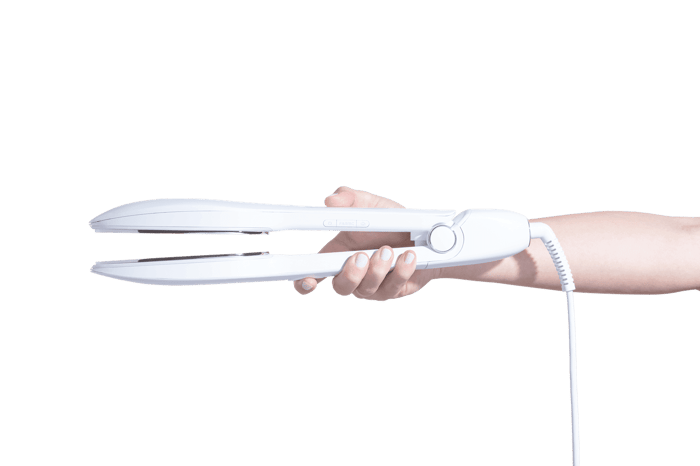
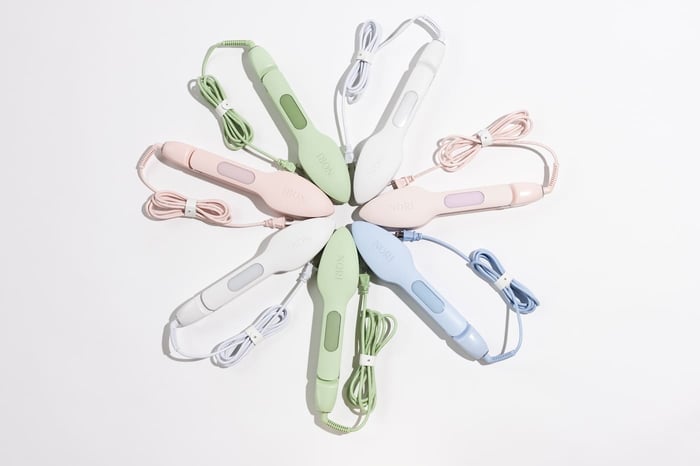
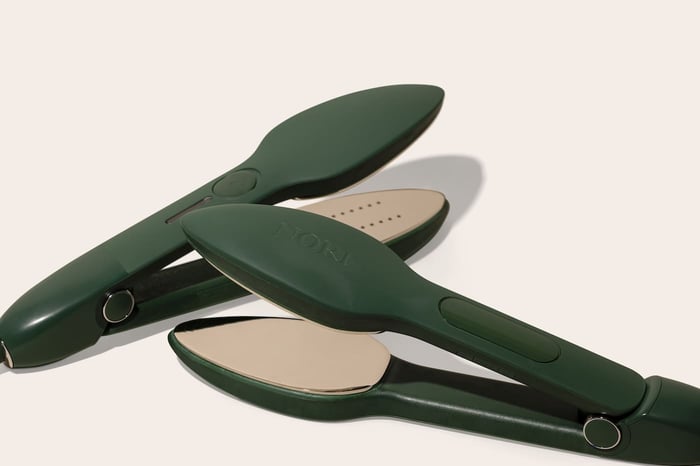
The Nori Press is a steam iron that works without an ironing board. It presses both sides of a garment simultaneously using dual heated plates, cutting pressing time in half. Heat up takes about 3 minutes. The whole device weighs 1.4 pounds.

That's the practical part. The slow fashion part is what it actually enables.
When you have a tool this fast and low-friction, you stop defaulting to the washing machine as a first response to wrinkles or odor. A linen blouse comes back from the closet looking creased; you press it in 90 seconds instead of running a full wash and waiting for it to dry. A wool coat that smells like winter gets steamed instead of being dropped off at the dry cleaner.
Six fabric-specific heat settings mean you're not guessing what temperature to use on silk versus denim. The right heat protects fabric. The wrong heat damages it. This detail matters more than most people realize.
For garments that smell but aren't dirty, the Nori Fabric Facial added to the steam port does real work. It's a deodorizing and sanitizing solution released as steam, so it penetrates fabric rather than sitting on top of it. Petroleum-free, phthalate-free, cruelty-free. One bottle fills the reservoir about 8 times.
Fabric Facial

$15.00
Odor-eliminating ironing water and wrinkle-release spray designed to improve your ironing experience. … read more
This is the category of clothing care that slow fashion conversations rarely get specific about. Buy better, wash less, steam more. The third part is where most people have the least infrastructure.
The Longevity Math
Take a cashmere sweater. Average lifespan if washed every time it's worn: 2 to 3 seasons. Average lifespan with spot cleaning and steaming between wears, washed only a few times per season: 8 to 10 years.
That's not a small difference. It's the entire point of slow fashion made concrete. Buying one piece and wearing it for a decade beats buying three and replacing them every few years, on every metric: cost, resource use, landfill contribution.
Clothing is currently worn only 7 to 10 times on average before being discarded, a decline of more than 35% over the past 15 years. Better garment care is one of the few direct ways an individual can push back on that number.
The Nori Bundle, which pairs the Press with the Nori Trim fabric shaver, covers both ends of this. Pressing and steaming keeps shape and freshness. The Trim removes the pilling that makes pieces look old before they are. A knitwear piece that pills out after one winter can look new again in two minutes.
A Practical Starting Point
You don't need to overhaul your laundry routine at once. Start with one habit:
Before you put something in the wash, ask whether it actually needs washing. If it just needs wrinkles out or a quick deodorizer, press it instead. Do that consistently for a month and see what changes.
Most people find they're running two or three fewer loads per week. The clothes in their closet last a year longer. And the time they save not waiting on the dryer is something they weren't expecting to miss.
Slow fashion has always been about the long game. The care side of it is just as important as the buying side. Actually, for the clothes you already own, it matters more.
Start with the Nori Press and build from there.
FAQs
How often should you wash clothes?
It depends on the garment and how you wear it. Items in direct contact with skin daily (underwear, workout gear, undershirts) need washing after each wear. Everything else can go longer. A blazer worn over a shirt to dinner doesn't need the machine. Jeans worn casually for a day don't either. A good rule: wash for dirt and body contact, not for routine.
Does washing clothes damage them?
Yes, gradually. Every wash cycle puts mechanical stress on fibers through agitation and spinning. Detergent chemistry and dryer heat accelerate fading, shrinking, and pilling. Synthetic fabrics also shed microplastic fibers into water systems with each wash cycle. Steaming and pressing between wears reduces how often garments need a full cycle.
Does steaming clothes replace washing?
For some garments and some situations, yes. Steam kills odor-causing bacteria, relaxes fibers, and refreshes fabric without water immersion or agitation. It's what dry cleaners use between professional cleanings on suits and structured pieces. What it doesn't do is remove grease, visible stains, or ground-in dirt. Wash when something is genuinely dirty.