Table of Contents
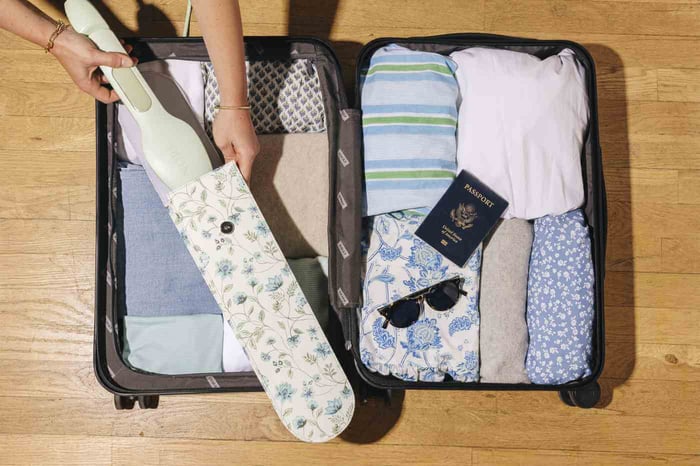 The moment you unzip your carry-on at the hotel, you already know that everything will be wrinkled. The linen shirt you planned to wear to dinner is a lost cause. The blazer is creased across the front. You packed carefully, and it doesn't matter, because a 4-hour flight in an overhead bin does what it does. There are carry-on clothing hacks you can actually do to mitigate this.
Some hang clothes in a steamy bathroom and hope for the best. Some call for the hotel iron and spend 20 minutes fighting a heavy slab on a wobbling board. Some just accept it and go out wrinkled.
The carry-on iron is a better category of answer. And the Nori Press is the best one in it right now.
Why Checked Luggage Is Losing
Checked baggage fees have been climbing. A standard checked bag on major U.S. carriers can run $30 to $40 each way, sometimes more. Round-trip with two bags adds up fast.
More travelers are committing to carry-on only, especially on summer trips where lighter clothing packs more efficiently. But light clothing, which means linen, cotton, silk, and anything you'd actually want to wear in July, wrinkles more aggressively than heavy fabrics.
This is the problem a travel iron solves. Not perfectly in every version, but the right tool closes the gap significantly.
What to Look For in a Travel Iron (And Where Most Fall Short)
The hotel iron is a blunt instrument. It's heavy, it requires a board, and it runs on one temperature setting that's aggressive enough to scorch silk. Most dedicated travel irons are smaller versions of the same thing: a single plate, a cord that wraps wrong, and a heat setting you're not sure about.
Handheld steamers are the other option, and they work on some fabrics. But they wet everything, don't actually press creases out, and leave heavier fabrics barely improved. A linen shirt run through a handheld steamer comes out damp and slightly less wrinkled. Not great.
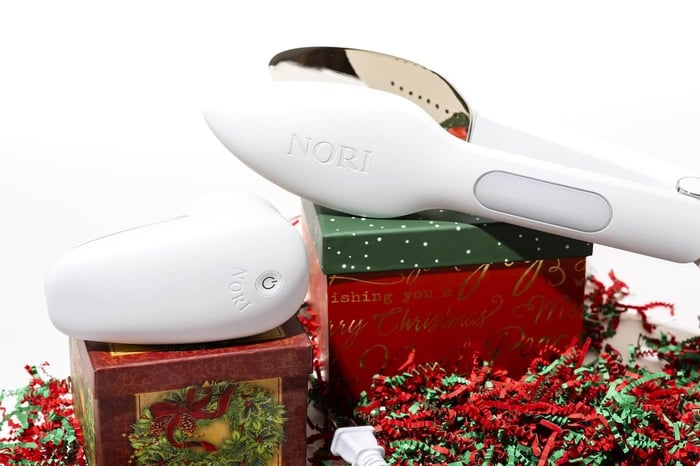
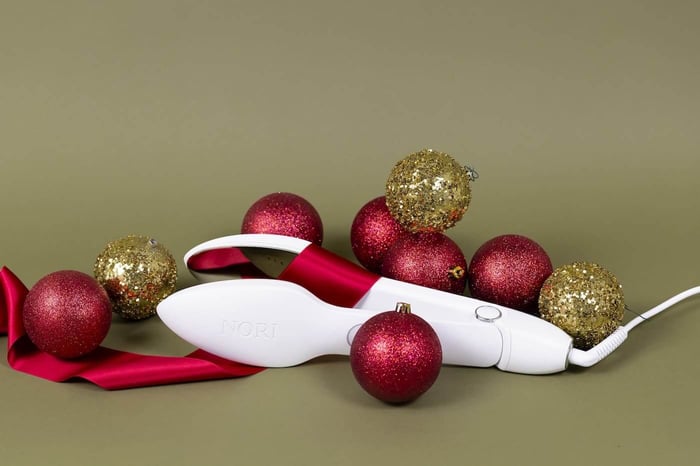
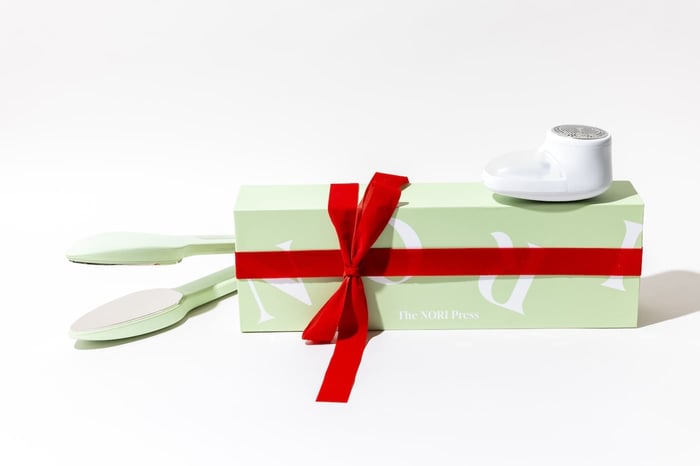
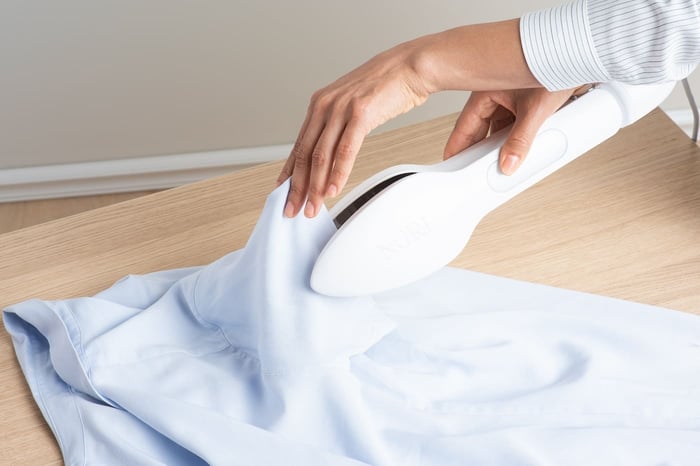
The Nori Press combines both. It presses with dual heated plates simultaneously, working both sides of a garment at once, and it steams when you need that instead. Six fabric-specific settings cover silk, wool, cotton, denim, linen, and polyester. You're not guessing what temperature to use on each piece.

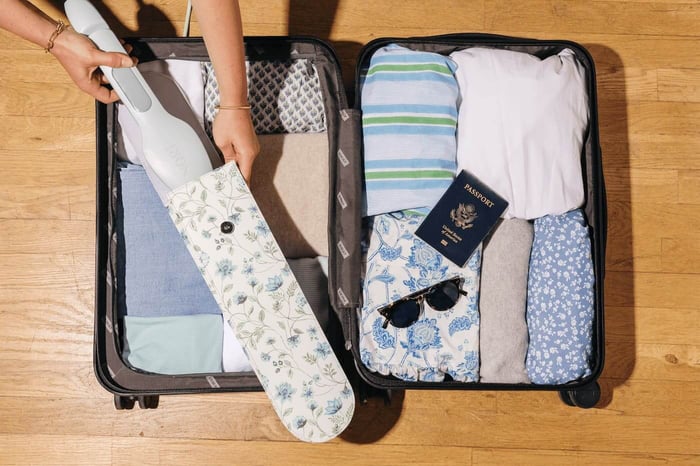
At 1.4 pounds and 14 inches, it fits in a carry-on without negotiation. It's dual-voltage, so it works internationally with a plug adapter. It heats up in about 3 minutes. The auto shut-off kicks in after 10 minutes of inactivity, which matters when you're packing in a rush and not sure whether you turned it off.
It's also cruise-approved. If your summer plans involve a ship, you already know that most steamers and travel irons get flagged at the gangway. The Nori Press clarifies that.
How to Actually Use It on a Trip
You don't need a full setup. No ironing board, no flat surface required. Hang your garment on a hanger or a hook on the back of the door. Work through it in sections.
For dress shirts or blouses: start with the collar, work down the front panels, and do the sleeves last. Two to three passes on each section. The dual plates cut your time in half because you're pressing front and back simultaneously.
For linen and cotton, which are the worst offenders in summer travel, a light spray of water or the Nori Fabric Facial before pressing makes a real difference in stubborn creases. The Fabric Facial also deodorizes as it steams, which is useful after a long travel day.
One fill of the 120ml reservoir handles 5 to 7 garments, so you can touch up an entire dinner outfit from a single fill.
Fabric Facial

$15.00
Odor-eliminating ironing water and wrinkle-release spray designed to improve your ironing experience. … read more
Pack Light, Arrive Polished: A Practical Carry-On Approach
The goal is fewer items that work harder. Here's a framework that makes carry-on travel more manageable:
Choose fabrics strategically. Jersey, merino wool, and ponte fabrics wrinkle least. Linen and cotton wrinkle most, but also look intentionally relaxed when done well. Silk is middle ground: light and packable, but needs a gentle press after travel.
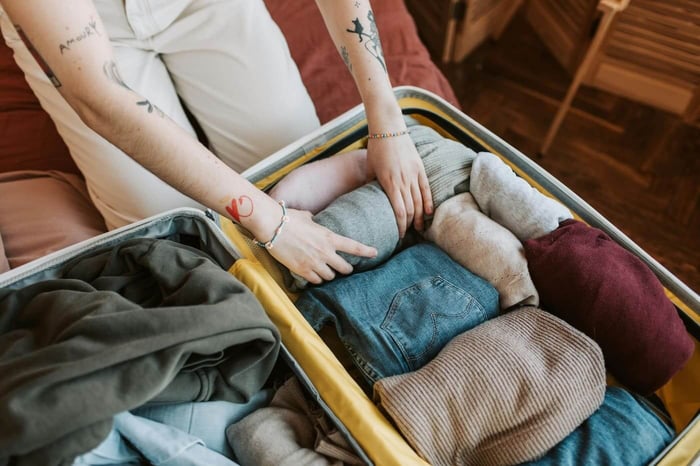
Roll, don't fold. Rolling compresses less than folding and causes fewer hard creases. For blazers, fold them inside-out along the natural seams.
Pack your Nori Press accessible. Not buried at the bottom. You'll want it as soon as you open your bag.
Use packing cubes. Organizing by outfit or category means you're not pulling everything out to find one shirt, which creates the secondary wrinkle problem.
Plan one more outfit than you think you need. One of your pieces will get a spill, or the weather will shift, and having a backup without checking a bag is worth the small extra volume.
With the Nori Press and this approach, you can land from a transatlantic flight, check into a hotel, and have a fully pressed outfit ready in under 15 minutes. That's the actual selling point: not that it's small, but that it eliminates the gap between "just landed" and "ready to walk out the door."
Is It Worth the Space in Your Bag?
One pound in a carry-on is not nothing. Travelers rightly ask whether a dedicated garment tool is worth the trade-off.
For people who travel twice a year or less, maybe not. A quick search for a local dry cleaner or the hotel's in-room iron covers it.
For anyone traveling monthly, taking trips longer than 4 days, or packing light enough to skip checked bags: yes, without much debate. The Nori Press fits in a packing cube. It costs less than one round-trip checked bag fee ($35 each way on most U.S. domestic flights). And you'll use it at home constantly anyway.
That last part is why it makes sense as a travel tool specifically: it's not a single-use gadget. Most people who travel with the Nori Press use it more at home than on the road. The travel use case just makes the purchase easier to justify.
Summer travel season is peaking right now, and if you're going carry-on-only into August, getting ahead of the wrinkle problem before your first flight is the move.
Pick up the Nori Press and stop negotiating with hotel irons.
FAQs
Can you bring a travel iron in a carry-on bag?
Yes. The TSA has confirmed that travel-sized electric irons are allowed in carry-on bags. Full-size irons are a different story. TSA officers have discretion to flag heavier irons if they're considered a security concern based on size or weight. A lightweight tool like the Nori Press (1.4 lbs, 14 inches) is compact enough that it's never an issue.
Is the Nori Press allowed on cruises?
Yes. The Nori Press is cruise-approved, which matters because most cruise lines prohibit standard irons and steamers in cabins due to fire risk. If you're planning a summer cruise and need to stay wrinkle-free throughout the trip, it's one of the few compact garment tools that clears the gangway.
Check the Nori Press for the full spec sheet if your cruise line asks for wattage details before boarding.
What is the best way to pack clothes so they don't wrinkle?
Roll instead of fold for most pieces. Rolling compresses fabric more evenly and causes fewer hard creases than folding. Blazers and structured jackets should be folded inside-out along the natural seams. Packing cubes help by keeping clothes compressed and contained so they shift less in transit.
For fabrics that will wrinkle regardless (linen, cotton, silk), pack lighter and plan to press on arrival rather than trying to prevent it entirely. A travel iron takes about 3 minutes to heat up and can undo a 6-hour flight's worth of wrinkles in under 10 minutes.