Table of Contents
- 1. Incorporate Clothing Recycling and Upcycling Into Your Wardrobe Routine
- 2. Choose Sustainable Fabrics for an Eco-Friendly Wardrobe
- 3. Declutter and Manage Your Wardrobe Sustainably
- 4. Shop from Ethical Clothing Brands for a Greener Wardrobe
- 5. Transition Toward Slow Fashion and Reduce Your Carbon Footprint
- FAQs

Creating an eco-friendly wardrobe is not just a trend; it's a necessary shift towards sustainable living. As consumers become more aware of the environmental impact of fast fashion, the demand for sustainable practices in clothing has surged.
This article explores five simple yet effective ways to make your wardrobe more eco-friendly, focusing on sustainable fabrics, decluttering strategies, ethical brands, recycling methods, and transitioning to slow fashion. By implementing these practices, you can significantly reduce your carbon footprint and contribute to a healthier planet.
1. Incorporate Clothing Recycling and Upcycling Into Your Wardrobe Routine
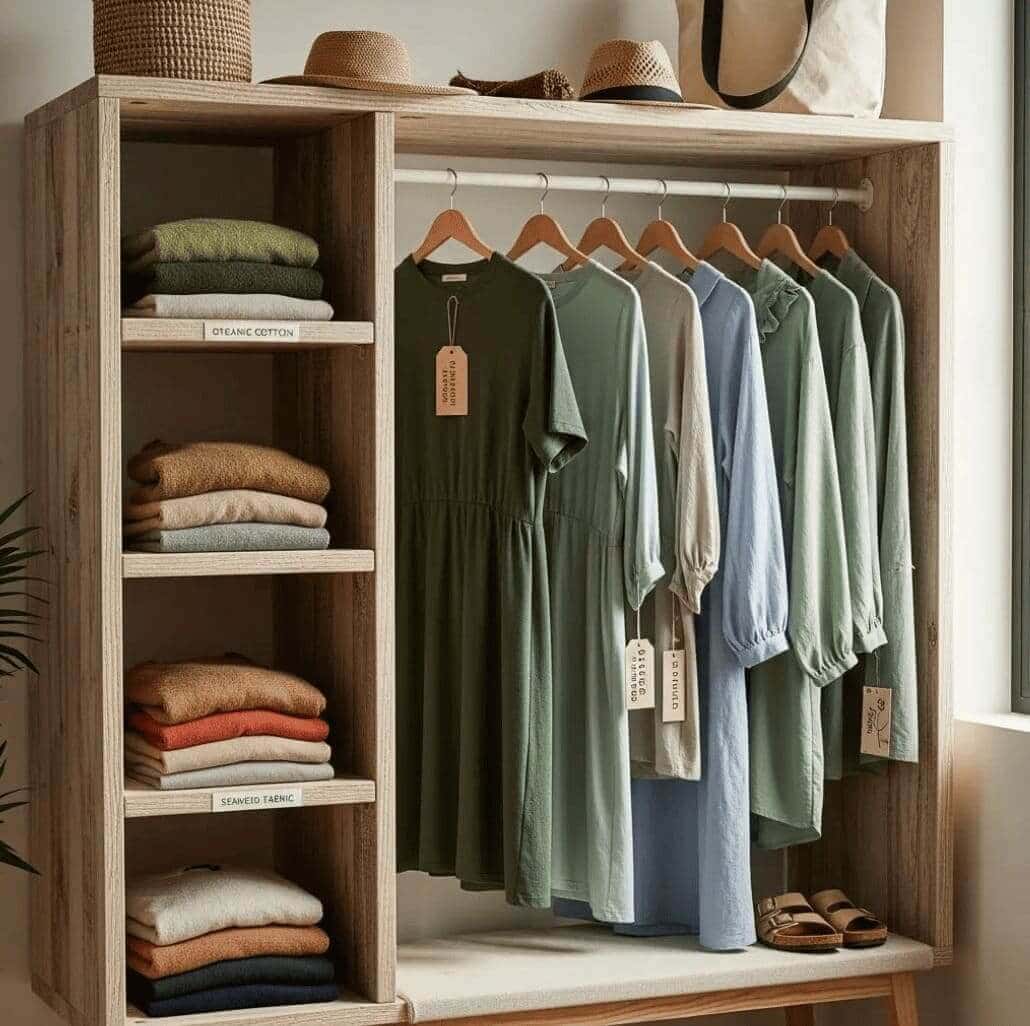
Incorporating recycling and upcycling into your wardrobe routine is a fantastic way to extend the life of your clothing and reduce waste. These practices not only promote sustainability but also encourage creativity and resourcefulness in fashion.
Effective Methods to Recycle or Donate Unwanted Clothes
When it comes to recycling or donating unwanted clothes, consider the following methods:
Local Charities: Donate gently used clothing to local charities or thrift stores that support community initiatives.
Clothing Swap Events: Participate in clothing swap events to exchange items with others, giving your clothes a new life while acquiring new pieces.
Textile Recycling Programs: Research local textile recycling programs that accept worn-out clothing and repurpose them into new materials.
These methods help ensure that your unwanted clothing is disposed of responsibly and sustainably.
How Upcycling Extends the Life of Your Wardrobe Sustainably
Upcycling is the process of transforming old or unused clothing into new, functional items. This creative practice not only reduces waste but also allows you to express your personal style.
But before you upcycle or toss a pilled sweater, try reviving it first. The Nori Trim removes pills and fuzz in minutes, so clothes you were ready to give up on look new again, no sewing or crafting required.
The Nori Trim
$59.00
A high performance fabric shaver designed to remove pills and lint from clothing and furniture. … read more

Some popular upcycling ideas include:
Turning Old Jeans into Bags: Repurpose worn-out jeans into stylish tote bags or pouches.
Creating Patchwork Clothing: Combine fabric scraps to create unique patchwork garments.
Transforming T-Shirts into Home Decor: Use old T-shirts to make decorative pillows or wall art.
By embracing upcycling, you can significantly extend the life of your wardrobe while contributing to a more sustainable fashion ecosystem.
Keep Your Clothes Looking New Without Buying New
Before you toss that pilled sweater or faded tee, give it new life with proper garment care. The Nori Trim removes lint and pills in minutes, transforming worn-out pieces back to their original condition.

Pair it with the Nori Press to refresh and maintain your wardrobe without an ironing board, extending the life of every piece you own.
Shop the Nori Bundle and save 20% today.

2. Choose Sustainable Fabrics for an Eco-Friendly Wardrobe
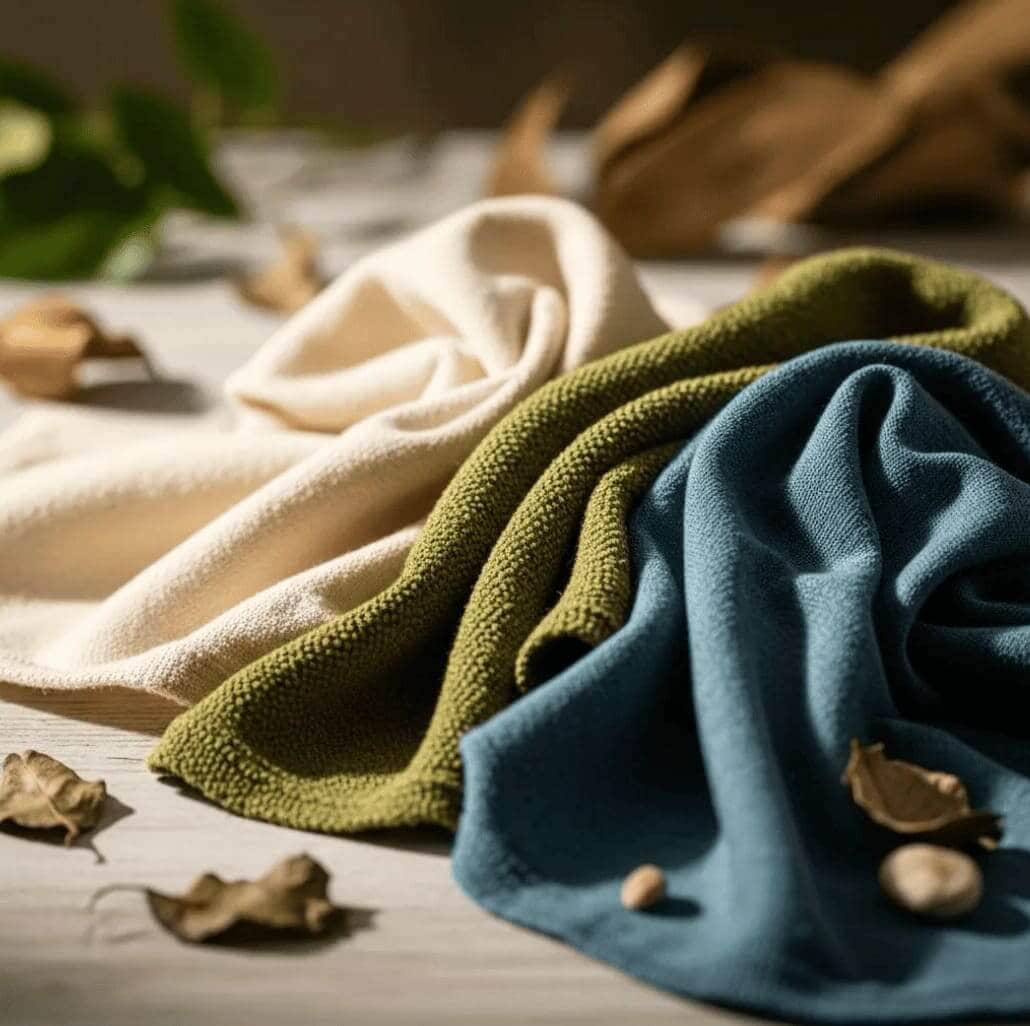
Sustainable fabrics are essential for building an eco-friendly wardrobe, as they minimize environmental impact while providing comfort and style. These materials are often made from organic or recycled sources, reducing waste and pollution. Choosing sustainable fabrics not only supports ethical production practices but also promotes a healthier planet.
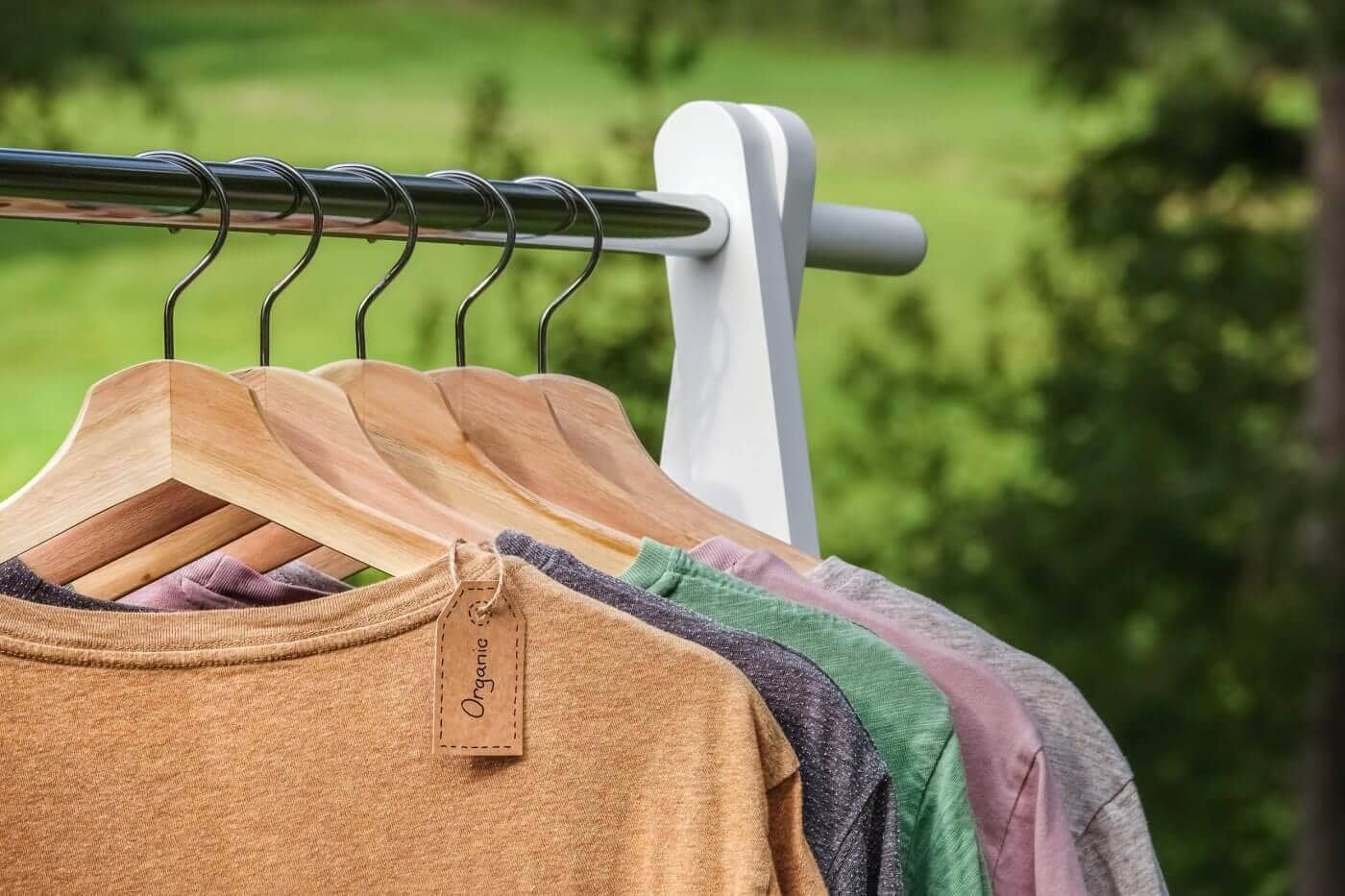
Opt for materials like organic cotton, hemp, and "seaweed-based textiles" to significantly lower your wardrobe's carbon footprint.
How Seaweed-Based and Other Organic Fabrics Reduce Environmental Impact
"Seaweed-based fabrics", derived from seaweed, are gaining interest due to their minimal environmental impact. These organic fabrics require less water and no harmful pesticides during cultivation, making them a sustainable choice.
Additionally, seaweed textiles are biodegradable, which means they won't contribute to landfill waste. By choosing seaweed and other organic fabrics, consumers can help reduce their carbon footprint while enjoying high-quality, stylish clothing.
Benefits of Using Recycled and Biodegradable Textiles
Recycled and biodegradable textiles offer numerous benefits for sustainable fashion. Using recycled materials helps divert waste from landfills, significantly reducing the environmental burden of textile production. Biodegradable textiles, on the other hand, break down naturally, minimizing long-term waste.
Studies show that incorporating these materials into your wardrobe can lead to a substantial decrease in overall fashion waste, promoting a more sustainable lifestyle.
3. Declutter and Manage Your Wardrobe Sustainably
Sustainable wardrobe management involves decluttering and organizing your clothing in a way that reduces waste and promotes reuse. This not only helps you make better use of your clothing but also encourages a more mindful approach to fashion consumption.
Practical Tips for Reducing Fashion Waste Through Wardrobe Organization
To reduce fashion waste, consider implementing the following tips for wardrobe organization:
Regularly Assess Your Wardrobe: Periodically evaluate your clothing to identify items you no longer wear or need.
Implement a One-In-One-Out Policy: For every new item you purchase, consider donating or recycling an old one to maintain balance.
Use Sustainable Storage Solutions: Opt for eco-friendly storage options, such as bamboo or recycled materials, to keep your wardrobe organized.
These strategies promote a more sustainable approach to fashion consumption.
How Building a Capsule Wardrobe Promotes Slow Fashion Principles
A "capsule wardrobe" is a curated collection of essential clothing items that can be mixed and matched to create various outfits. This concept aligns perfectly with slow fashion principles, emphasizing quality over quantity. By investing in versatile, high-quality pieces, you can reduce the frequency of purchases and minimize waste.
Building a capsule wardrobe encourages mindful consumption and fosters a deeper appreciation for each item in your collection.
4. Shop from Ethical Clothing Brands for a Greener Wardrobe
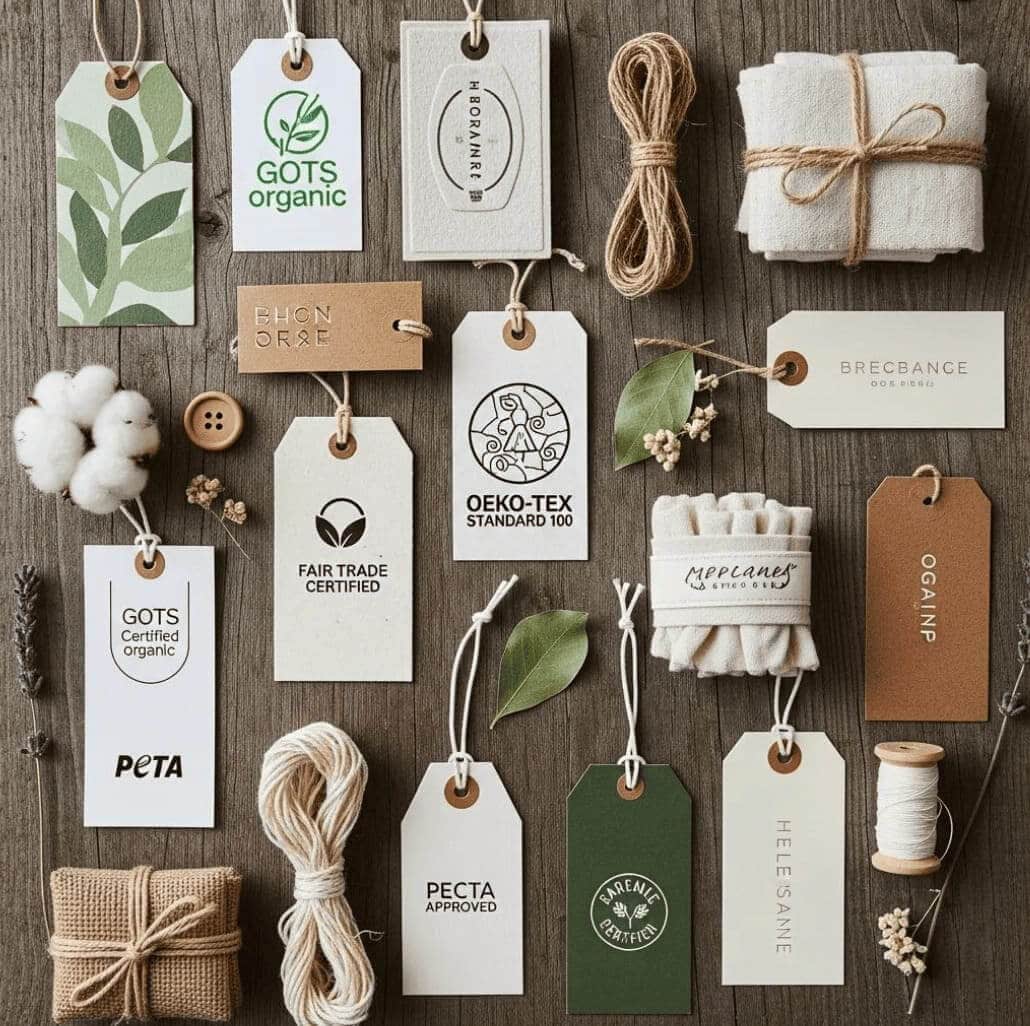
Supporting ethical clothing brands is crucial for promoting sustainable fashion. These brands prioritize fair labor practices, environmentally friendly materials, and transparency in their production processes.
Criteria That Define Ethical and Sustainable Fashion Brands
When evaluating ethical and sustainable fashion brands, consider the following criteria:
Transparency in Sourcing: Brands should openly share information about their supply chain and sourcing practices.
Fair Labor Practices: Ensure that the brand supports fair wages and safe working conditions for its workers.
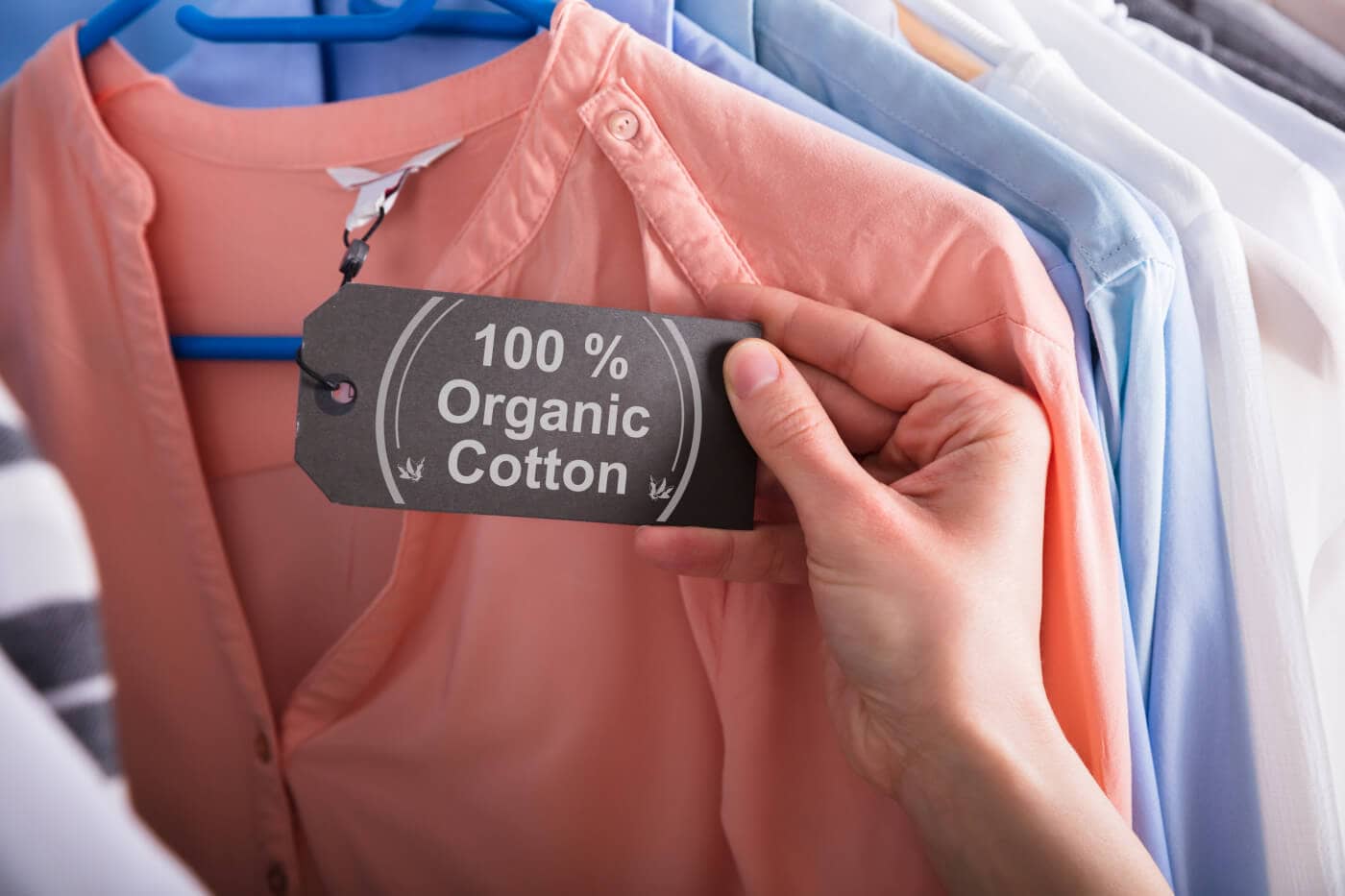
Environmental Certifications: Look for brands that have received certifications for their sustainable practices, such as GOTS or Fair Trade.
How to Identify Certified Eco-Friendly Clothing Labels and Certifications
Recognizing eco-friendly clothing labels and certifications is essential for making sustainable fashion choices. Some common certifications to look for include:
Global Organic Textile Standard (GOTS): Ensures that textiles are made from organic fibers and produced under environmentally and socially responsible conditions.
Fair Trade Certified: Guarantees that products are made under fair labor conditions and support sustainable livelihoods.
OEKO-TEX Standard 100: Certifies that textiles are free from harmful substances and safe for human use.
By familiarizing yourself with these labels, you can confidently choose clothing that meets your sustainability standards.
5. Transition Toward Slow Fashion and Reduce Your Carbon Footprint
Transitioning to slow fashion involves adopting practices that prioritize sustainability and ethical consumption. By making conscious choices, you can significantly reduce your carbon footprint and promote a healthier planet.
Quality Over Quantity
Choosing quality over quantity is a fundamental principle of slow fashion. High-quality garments are often more durable and timeless, reducing the need for frequent replacements.
By investing in well-made clothing, you not only support ethical production practices but also minimize waste in the long run. This approach encourages a more thoughtful relationship with your wardrobe, fostering appreciation for each piece.
The Role Consumer Choices Play in Promoting Eco-Friendly Wardrobes
Consumer choices play a pivotal role in shaping the fashion industry. By supporting sustainable brands and making informed purchasing decisions, you can drive demand for eco-friendly practices.
As more consumers prioritize sustainability, brands are encouraged to adopt ethical practices and reduce their environmental impact. Your choices can contribute to a collective movement towards a more sustainable fashion future.
FAQs
How often should I declutter my wardrobe to maintain sustainability?
Review your wardrobe every 3-6 months. Remove items you haven't worn in a year, donate or recycle them responsibly, and assess whether your purchases align with your actual needs. This prevents overconsumption and keeps your wardrobe functional.
What's the difference between recycling and upcycling clothes?
Recycling breaks down textiles into raw materials for new products, often requiring industrial processing. Upcycling transforms existing clothes into new items without breaking them down, like turning old jeans into bags. Upcycling is more accessible at home and requires less energy.
Can I still shop fast fashion while practicing other eco-friendly habits?
While any sustainable effort helps, fast fashion remains environmentally damaging regardless of other habits. If you really need to shop fast fashion, limit purchases, choose quality pieces you'll wear repeatedly, and commit to wearing them for years rather than one season.